


Feni is one of India's rarest and legally protected spirits, made from a fruit most people ignore. Feni Goa is not just alcohol. It represents history, tradition, and the heart of Goan life, all captured in one glass. Long before cocktail bars and beach shacks became popular, Goan families made Feni at home by fermenting cashew apples. They shared recipes, customs, and stories from one generation to the next.
What makes Feni special is not only how it's made, but also why it's made. Every bottle reflects Goa's land, weather, culture, and people. From village celebrations to modern boutique stays, Feni continues to grow with time while staying connected to tradition. Whether you are a traveller, a culture lover, or a food enthusiast, learning about Feni helps you understand the real Goa.
This article will help you explore Feni's journey, its cultural value, and why it is an essential part of Goan identity..
What Is Feni? Goa's Indigenous Spirit Explained
Feni is Goa's traditional distilled spirit, made mainly from cashew apples or coconut sap. It holds a GI tag, which means the government legally protects it and allows production only in Goa using traditional methods. This makes Feni a unique local drink exclusive to Goa.
Most Feni contains between 40% and 45% alcohol. What makes Feni special is not only its strength but also its origin and cultural value. Local producers make Feni in small batches, not in factories.
It remains closely connected to Goa's land, seasons, and everyday life, giving it an authentic, traditional character.
The Origins of Feni: A Drink Rooted in Goa’s History
Cashew trees came to Goa in the 16th century with Portuguese traders. Local people soon noticed that the juicy cashew apple, which many had ignored, could be fermented into alcohol. They began fermenting and distilling it, and over time, this process gave birth to feni. The drink grew through a mix of local skills and outside influence.
For hundreds of years, Goan families made Feni at home. It became a part of daily life, village celebrations, and welcoming guests. Even today, Feni stands as a strong symbol of Goa’s tradition. It is more than a drink. It is a living part of Goan culture that people continue to follow and respect.
From Cashew Apple to Alcohol: The Raw Ingredients
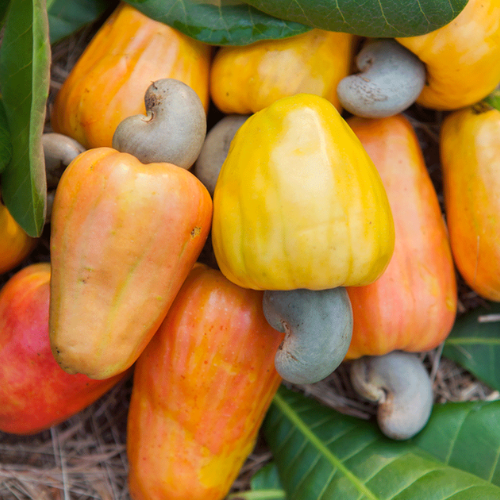
The Cashew Apple: Goa’s Unsung Fruit
The cashew apple is the soft, fleshy fruit attached to the cashew nut. It is juicy, fragrant, and spoils very quickly. In Goa, the cashew harvest happens between February and May. During this season, villages come alive with the smell of ripe cashew apples and freshly squeezed juice.
Local people crush cashew apples to extract the juice. This juice then turns into alcohol naturally over time. This natural process forms the base of cashew feni. Because the fruit is fresh and seasonal, the quality of Feni depends heavily on the harvest and weather conditions. This is why every batch of Feni feels slightly different and special.
Coconut Feni: The Older and Lesser-Known Type
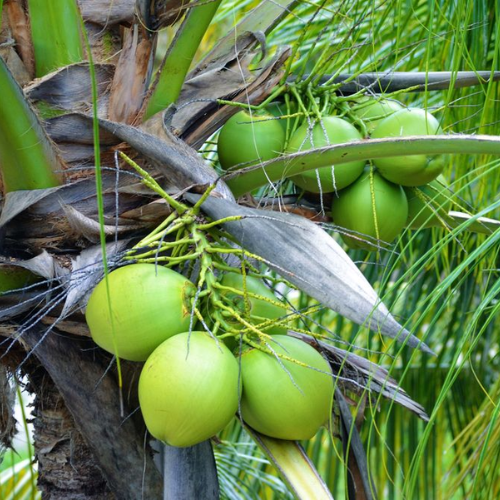
Before cashew Feni became popular, people in Goa made coconut feni. They prepare it from toddy, which is the naturally fermented sap of coconut trees. Skilled tappers climb tall coconut palms every day to collect fresh sap, which later turns into alcohol.
Coconut Feni is not very common today, but many locals still respect it for its history. It holds a special place in Goa’s traditional drinking habits and shows how deeply Feni connects with the land and local lifestyle.
How Feni Is Made: Traditional Distillation Process
Feni makers follow a traditional method that local families have used for generations. The process depends on fresh fruit, natural fermentation, and careful distillation. Below are the simple steps that explain how cashew apples slowly turn into feni.
Step 1: Crushing and Fermentation
Fresh cashew apples are crushed, often using stone presses. The juice flows into large clay or stone pits, where it starts fermenting naturally with natural yeast present in the air. Makers do not add chemicals or artificial substances. This stage usually takes a few days and depends on the weather and the fruit's sweetness.
Step 2: Three-Step Distillation Process
The fermented juice goes through three rounds of distillation in copper pot stills.
The first distillation produces a light, weak alcohol.
The second distillation increases its strength.
The third distillation produces true feni, which is clear, fragrant, and strong in taste.
Each round improves the quality, strength, and overall taste of the feni.
Step 3: Storage and Bottling
In the past, people stored Feni in earthen pots or glass containers. Today, some producers let it rest for a short time to make the taste smoother, while others bottle it fresh to retain its strong, bold flavour.
This traditional method gives Feni its unique identity. Because makers follow natural steps and seasonal cycles, every batch of Feni feels authentic. This careful process keeps Feni deeply connected to Goa’s land, culture, and local craftsmanship.
Types of Feni You’ll Find in Goa
In Goa, people mainly make two types of feni. Both come from natural sources and follow traditional methods, but they differ in taste and history.
Cashew feni
Cashew Feni has a fruity aroma and a strong flavor. It feels bold and lively, which makes it the most popular type today. Most visitors and locals choose cashew Feni because of its fresh flavour and strong connection to Goa’s cashew season.
Coconut feni
Coconut Feni has a softer and milder taste with earthy notes. Fewer people make it today, but it holds older historical value. This type reflects Goa’s long tradition of using coconut trees for daily life and drinks.
The alcohol strength of Feni usually stays between 40 percent and 45 percent. Traditional homemade versions can be slightly stronger or lighter, depending on how they are made.
If you are trying Feni for the first time, start with a small quantity and choose cashew Feni from a trusted producer. Take your time to appreciate the taste, and always drink responsibly to enjoy this traditional Goan spirit.
What Does Feni Taste Like? How Locals Actually Drink It?
Feni has a strong, fruity smell with light earthy notes. The first sip tastes sharp, but it soon feels smooth and leaves a warm feeling. The taste can vary depending on how fresh the Feni is and how it's made.
Local people usually drink Feni in simple and traditional ways:
-
They drink it plain in small glasses.
-
They mix it with lime and soda for a fresh taste.
-
They enjoy it with tonic or ginger ale for a lighter drink.
Feni also goes well with Goan snacks, seafood, and spicy food. Locals believe that slow sipping helps you enjoy the flavour better and makes the experience more enjoyable.
Is Feni Legal, Safe, and Authentic? What Travellers Should Know
According to the Government of India’s Geographical Indication Registry, Feni received its official GI tag in 2009, which legally protects it and limits its production only to Goa, using traditional methods.
Because of this legal protection, authentic Feni adheres to strict local rules and quality standards. This makes Feni safe to drink when purchased from verified, licensed sources.
If you want to buy genuine Feni in Goa, keep these points in mind:
-
Look for bottles that clearly mention the name of a licensed producer and place of origin.
-
Avoid buying Feni from unlabeled roadside sellers, as quality and safety cannot be confirmed.
-
Purchase from trusted wine stores, hotels, or hospitality partners that work with local producers.
-
Drink responsibly and focus on quality rather than quantity to enjoy the real taste.
When travellers choose verified sources, they not only stay safe but also support local communities and traditional makers. Authentic Feni is more than a drink. It is a protected cultural product that reflects Goa’s heritage and craftsmanship.
Where to Experience Authentic Feni in Goa?

To truly understand Feni in Goa, you need to experience it close to where it is made and enjoyed by locals. Feni is not just a drink you buy from a shelf. It is part of village life, local traditions, and seasonal celebrations.
You can experience authentic Feni in these ways:
-
Visit heritage villages during the cashew season to see how locals prepare feni.
-
Explore traditional distilleries to understand the real process behind it.
-
Enjoy tastings through carefully planned hospitality experiences that focus on local culture.
Staying at AM Hotel Kollection – Ivy Morjim gives travellers a chance to experience authentic Goan culture in a calm, refined setting. Guests can explore local food, traditional drinks like feni, and the everyday lifestyle of Goa without falling into crowded tourist spots. This kind of stay helps travellers discover the real Goa through its people, flavours, and stories.
FAQs
1. What is Feni made from in Goa?
Feni is made from cashew apples or coconut sap. Cashew Feni is more common today, while coconut Feni is the older traditional form.
2. Is Feni only available in Goa?
Yes, Feni is legally produced only in Goa. It has a Geographical Indication tag that protects its origin and traditional production.
3. How strong is Feni alcohol?
Most Feni contain between 40 percent and 45 percent alcohol. Homemade versions may vary slightly in strength.
4. Is Feni safe for tourists to drink?
Yes, Feni is safe when bought from licensed producers, trusted stores, or verified hotels. Avoid unlabeled roadside sellers.
5. Where can travellers experience authentic Feni in Goa?
Travellers can experience authentic Feni in heritage villages, traditional distilleries, and curated hospitality stays that focus on local culture.
Conclusion
Feni is more than Goa’s local alcohol. It reflects the land, seasons, people, and traditions that shape Goan life. From the cashew apple on the ground to the glass in your hand, every step of Feni's journey carries history, care, and cultural meaning.
For travellers who want to experience Goa beyond beaches and nightlife, Feni offers a deeper and more authentic connection to the region.
To truly feel this connection, stay close to local culture and traditions. A stay at AM Hotel Kollection – Ivy Morjim allows travellers to explore Goa’s flavours, heritage, and everyday life in a calm and refined setting. Discover real Goa, where culture meets comfort and every experience becomes a lasting memory.
