


The Dhalo dance is a centuries-old folk ritual of Goa that keeps the spirit of tradition alive in its interior villages. While Goa is often known for beaches and nightlife, this beautiful women-led ritual tells a very different story rooted in harvest celebrations, devotion, and local culture.
These vibrant performances are more than dance. They reflect community bonding, faith, and great cultural pride passed down through generations.
In this article, we explore the history, rituals, regional variations, and simple tips to experience the Dhalo dance in Goa firsthand. From ceremonial songs to striking red sarees, every element reveals a rich heritage still practiced today. By the end, you will know how to plan a culturally immersive visit, including curated stays by AM Hotel Kollection for a truly unforgettable #AMOMENTS journey.
History & Cultural Significance of Dhalo Dance
Origins of the Dance
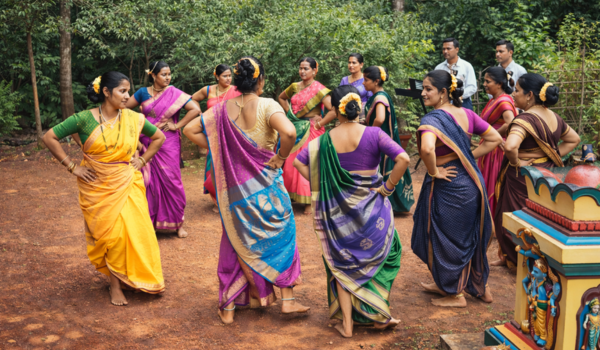
The Dhalo dance is a traditional folk ritual of Goa that has been practiced for centuries in its interior villages. Married women mainly perform it, and it was originally linked to the harvest season, when prayers were offered for prosperity and well-being. The dance is usually performed in a half-circle formation, with women singing songs that praise deities, share local stories, and reflect everyday village life.
Over time, Dhalo became more than just a seasonal ritual. It strengthened unity among women and helped preserve the community's social and cultural values. Villages such as Curtorim, Cuncolim, and Sanguem gradually became important centres for keeping this folk tradition alive, passing it down from one generation to the next.
Rituals & Community Participation
The Dhalo dance is not just a performance but a meaningful village ritual. Women gather in courtyards or village squares, dressed in traditional red sarees and hennaed hands, preparing for a sequence of well-coordinated steps. Traditional songs guide every movement, and performances often last several hours.
Community participation plays a key role in Dhalo celebrations. Elders lead the singing, while younger women learn the steps and songs, ensuring the tradition continues. Villagers contribute by providing food, decorations, and support, creating a joyful, festive atmosphere. This strong sense of involvement sets Dhalo apart from many other folk dances in India.
Dhalo Dance Today
Regional Variations Across Goa
Although the core ritual of the Dhalo dance remains the same, it has developed regional differences across Goa. In Curtorim, performers focus more on detailed hand movements, while in Cuncolim, the emphasis is on well-coordinated footwork. In Sanguem, the dance is known for its story-based songs that share local myths and village tales. These small variations highlight the cultural diversity within Goa and allow travellers to experience the tradition in different ways.
Understanding these regional styles adds depth to the experience and helps visitors appreciate the Dhalo dance beyond mere watching.
Timing, Festivals & Celebrations
The Dhalo dance is usually performed during the Pausha month of the Hindu lunar calendar, which falls between December and January. Celebrations often continue for several days, with each village presenting its own style and customs.
Travellers are advised to check local village schedules in advance and plan visits during weekends to fully enjoy the festivities. Choosing organised and respectful travel options, such as curated experiences by AM Hotel Kollection, helps visitors witness authentic performances while honouring local traditions.
Jasminn by AM Hotel Kollection offers a comfortable, well-connected stay, making it easier for travellers to explore nearby villages while enjoying a relaxed, culturally rich experience.
Experiencing Dhalo Firsthand
Visiting the interior villages of Goa to witness the Dhalo dance is more than simple sightseeing. It is a deep cultural experience that allows travellers to connect with local traditions, people, and rituals in an authentic setting.
While attending a Dhalo performance, it is essential to respect local customs. Visitors should remain quiet during the songs and avoid interrupting the ritual flow. Always ask for permission before taking photographs, and take time to interact with village elders or local musicians to understand the meaning and history behind each song. These small gestures help create a respectful and meaningful experience.
Insider Tips from Locals
To truly experience the Dhalo dance, visit villages known for preserving traditional practices, such as Curtorim and Sanguem. Travelling with a local guide who understands ceremonial customs can greatly enhance the visit and provide cultural context.
Pay attention to traditional instruments such as the Ghumot drums and the Kansar metal bowls, which add rhythm and depth to the performance. Early evenings are the best time to attend, as the atmosphere is livelier and more engaging.
For a comfortable, well-planned stay, travellers can choose curated experiences from AM Hotel Kollection. Jasminn by AM Hotel Kollection offers a relaxed base for exploring interior Goa, making it easier to join guided village visits and to respectfully and comfortably witness Dhalo performances.
Where to Stay for an Authentic Cultural Experience?
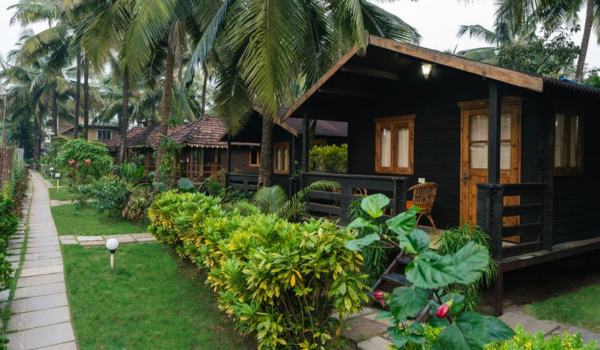
For travellers who want to enjoy comfort while staying close to local culture, boutique stays across Goa offer the perfect balance. AM Hotel Kollection brings together thoughtfully designed accommodations that combine modern comforts with a strong connection to Goan surroundings, making cultural exploration simple and enjoyable.
Many travellers prefer staying in well-connected areas when planning visits to interior villages for cultural events such as the Dhalo dance. Ivy Morjim by AM Hotel Kollection, located in North Goa, offers a peaceful coastal setting with good road access, making it a convenient base for day trips into rural Goa, for those looking to stay closer to lively town areas while still planning cultural excursions. De Garland provides comfortable accommodation with easy connectivity to major routes leading to the interior regions.
Travellers who prefer a central location can also consider staying in Calangute, which offers a calm and convenient base while allowing easy travel to nearby villages during festival seasons. This kind of stay helps visitors enjoy modern amenities while still remaining connected to Goa’s cultural experiences and traditions.
With options including comfortable rooms, local support, and assistance with planning meaningful experiences, staying at an AM Hotel Kollection makes it easier to explore Goa beyond the beaches. Planning your stay thoughtfully ensures you can witness the Dhalo dance in Goa and create memorable, authentic #AMMEMORIES.
FAQs
1. What is the Dhalo dance in Goa?
The Dhalo dance is a traditional folk ritual of Goa performed mainly by married women. It is closely linked to harvest celebrations and is practiced in interior villages through songs, rhythmic movements, and community participation.
2. When is the Dhalo dance performed in Goa?
Dhalo is usually performed during the Pausha month of the Hindu lunar calendar, which falls between December and January. The celebrations often last several days, depending on village customs.
3. Which villages are best to see the Dhalo dance in Goa?
Villages such as Curtorim, Cuncolim, and Sanguem are well known for preserving and practicing the Dhalo dance. These villages offer some of the most authentic experiences of the ritual.
4. Can tourists attend Dhalo dance performances?
Yes, tourists can attend Dhalo dance performances, but they are encouraged to do so respectfully. Visitors should follow local customs, avoid disturbing rituals, and seek permission before photography.
5. How can travellers experience the Dhalo dance in Goa authentically?
Travellers can experience Dhalo authentically by visiting during festival season, engaging with local guides, and staying in well-connected areas that allow easy access to interior villages. Choosing curated stays and cultural experiences by AM Hotel Kollection helps ensure respectful access and a comfortable travel experience.
Conclusion
The Dhalo dance of Goa is more than a traditional performance. It is a living cultural ritual that reflects the strength, unity, and devotion of village communities, especially women who have preserved this tradition for generations. From harvest prayers and ritual songs to regional styles across Curtorim, Cuncolim, and Sanguem, Dhalo offers a rare glimpse into the cultural heart of interior Goa.
For travellers looking to explore Goa beyond beaches and nightlife, witnessing the Dhalo dance is a deeply meaningful experience. It allows visitors to connect with local traditions, respect village customs, and understand Goa’s heritage in its most authentic form. With thoughtful planning, respectful participation, and the right base to stay, experiencing Dhalo becomes both comfortable and culturally enriching.
To make this journey seamless and memorable, curated stays by AM Hotel Kollection help travellers stay well-connected as they explore interior villages and cultural festivals. Plan your stay thoughtfully, experience the Dhalo dance in Goa firsthand, and create timeless #AMMEMORIES that go far beyond a typical holiday.
