


Every year, more than 400,000 visitors travel to Goa to experience a four-day festival filled with colourful floats, joyful dances, and age-old traditions. This is the famous Goa Carnival. From the early history of the Goa Carnival to today’s lively parades, the celebration brings together culture, colour, and happiness.
In this guide, we explore the festival’s origins, its long-standing traditions, how modern celebrations have changed, and helpful tips to make your experience memorable.
Origins of the Goa Carnival
The Goa Carnival began during Portuguese rule, when pre-Lenten celebrations were introduced in the region. These festivities marked a time of enjoyment before the serious season of Lent began. Over time, the celebrations blended religious practices with lively public events.
One of the most well-known characters of the festival is King Momo, who is chosen to lead the Carnival. He represents joy, fun, and the festive spirit. Historical records suggest that the first organised Carnival parade in Goa took place in the 18th century, featuring music, dance, and traditional street processions that brought both locals and visitors together.
What makes the Goa Carnival special is its mix of European influence and local Goan culture. Unlike many other Indian festivals, it offers a celebration that feels different, colourful, and deeply engaging.
Traditional Highlights and Practices
Parades and Floats
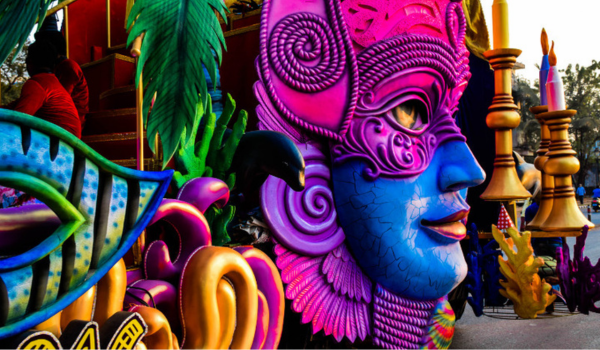
The Intruz parade is the main attraction of the traditional Goa Carnival. Colourful floats move through the streets, often inspired by folklore, local history, and popular themes. Music, drumbeats, and group performances accompany the floats, turning the streets into lively spaces full of storytelling and celebration.
Visitors can enjoy the parade either in the morning or evening. Each float is carefully designed to entertain the crowd, making this one of the most memorable parts of the Carnival for those who want to experience its true spirit.
King Momo and Royal Ceremonies
The Carnival officially begins with the crowning of King Momo. This moment marks the start of the festivities. The role is usually given to a respected local figure who embodies the Carnival's fun-loving, playful nature. King Momo leads the parades, interacts with people, and encourages everyone to join in the celebrations.
Dances and Music (Red and Black Dance, Assoltes)
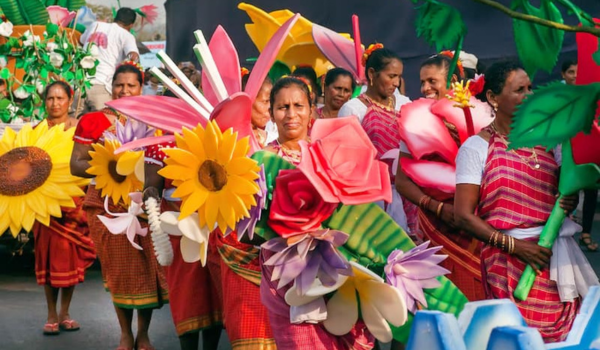
Traditional dances like the Red and Black Dance and Assoltes showcase Goa's rich music and culture. Performers wear bright costumes and dance to the sounds of drums, trumpets, and local instruments. These performances have been passed down through generations, keeping traditions alive while gradually welcoming new styles.
Watching these dances helps visitors understand Goa’s cultural roots in a more meaningful and engaging way.
How Modern Celebrations Have Evolved?
Contemporary Parade Changes
Today’s Goa Carnival beautifully balances tradition with modern elements. The floats have grown larger and more creative, often inspired by pop culture, social themes, and interactive design. Some parades even feature digital lights and modern effects. These updates attract more visitors while keeping the festival energetic and exciting.
Inclusion of International and Tourist Participation
Modern Carnival celebrations warmly welcome tourists from around the world. Costume rentals, themed parties, and interactive parades encourage visitors to join in rather than just watch. Social media has also helped spread the Carnival’s popularity globally, with people sharing their experiences online. A growing number of international tourists now take part in the festivities, showing how widely the Goa Carnival is celebrated.
Experiencing the Goa Carnival Today
Top Locations and Parades to Watch
Some of the best Carnival parades can be seen in Panaji, Mapusa, and Margao. These locations offer lively atmospheres and great views of the floats and performances. Standing close to the parade route allows visitors to enjoy the celebrations up close and capture memorable moments. Checking official schedules in advance helps ensure you don’t miss key events.
Insider Tips for Tourists
-
Arrive early to get the best viewing spots.
-
Respect local customs and wear clothing appropriate for public celebrations.
-
Stay hydrated and be prepared for crowded streets, especially during peak hours.
-
Take time to talk to locals to better understand the traditions and cultural meaning behind the Carnival.
These simple tips can help visitors enjoy a more comfortable and authentic Carnival experience.
Common Mistakes and How to Enjoy Fully
Avoiding Crowds and Timing Mistakes
Many first-time visitors attend the main parades without proper planning, which can feel overwhelming during peak hours. To enjoy the Carnival more comfortably, consider visiting smaller events in quieter neighbourhoods. Booking tickets in advance or hiring local guides can make the experience smoother and less stressful.
Cultural Sensitivity Tips
It is important to respect the cultural meaning of the Goa Carnival. Avoid disruptive behaviour, dress appropriately where required, and always ask before taking photos during religious or ceremonial events. Following local guidance helps ensure a respectful and enjoyable experience for everyone.
AM Hotel Kollection’s Recommended Stays and Experiences
.png)
For a well-planned and comfortable Carnival experience, staying at Ivy Morjim by AM Hotel Kollection properties keeps you close to major Carnival events while offering premium amenities. The hospitality experience is designed to reflect Goan culture, helping guests feel connected to the festival's local spirit.
Guests can also benefit from concierge services that offer guidance on parade timings, access to traditional dance performances, and options for private cultural tours. These thoughtful services make it easier for visitors to enjoy the Goa Carnival in a relaxed and meaningful way.
FAQ
1: What is the Goa Carnival and why is it celebrated?
The Goa Carnival is a traditional festival celebrated before Lent. It began during Portuguese rule and marks a time of joy, music, dance, and public celebrations before the start of the religious season of Lent.
2: When is the Goa Carnival celebrated?
The Goa Carnival usually takes place in February or early March, depending on the Christian calendar. It lasts for four days and is celebrated across major towns in Goa.
3: What are the main attractions of the Goa Carnival?
The main attractions include the Intruz parade, colourful floats, King Momo ceremonies, traditional dances like the Red and Black Dance, live music, and street celebrations.
4: Where are the best places to watch the Goa Carnival parades?
The best places to watch the Goa Carnival parades are Panaji, Mapusa, and Margao. These locations host the largest parades and offer the most vibrant Carnival experiences.
5: Can tourists participate in the Goa Carnival?
Yes, tourists are welcome to participate in the Goa Carnival. Visitors can join parades, rent costumes, attend themed parties, and enjoy interactive events along the parade routes.
Conclusion
The Goa Carnival is a vibrant celebration that beautifully blends history, culture, and modern festivities. From its roots during Portuguese rule to today’s lively parades and global participation, the Carnival continues to evolve while staying true to its traditions. By understanding its origins, customs, and modern experiences, visitors can enjoy the festival more meaningfully and respectfully. Whether it’s watching colourful floats, joining the celebrations, or exploring Goan culture, the Goa Carnival offers an unforgettable experience for both locals and travellers.
